
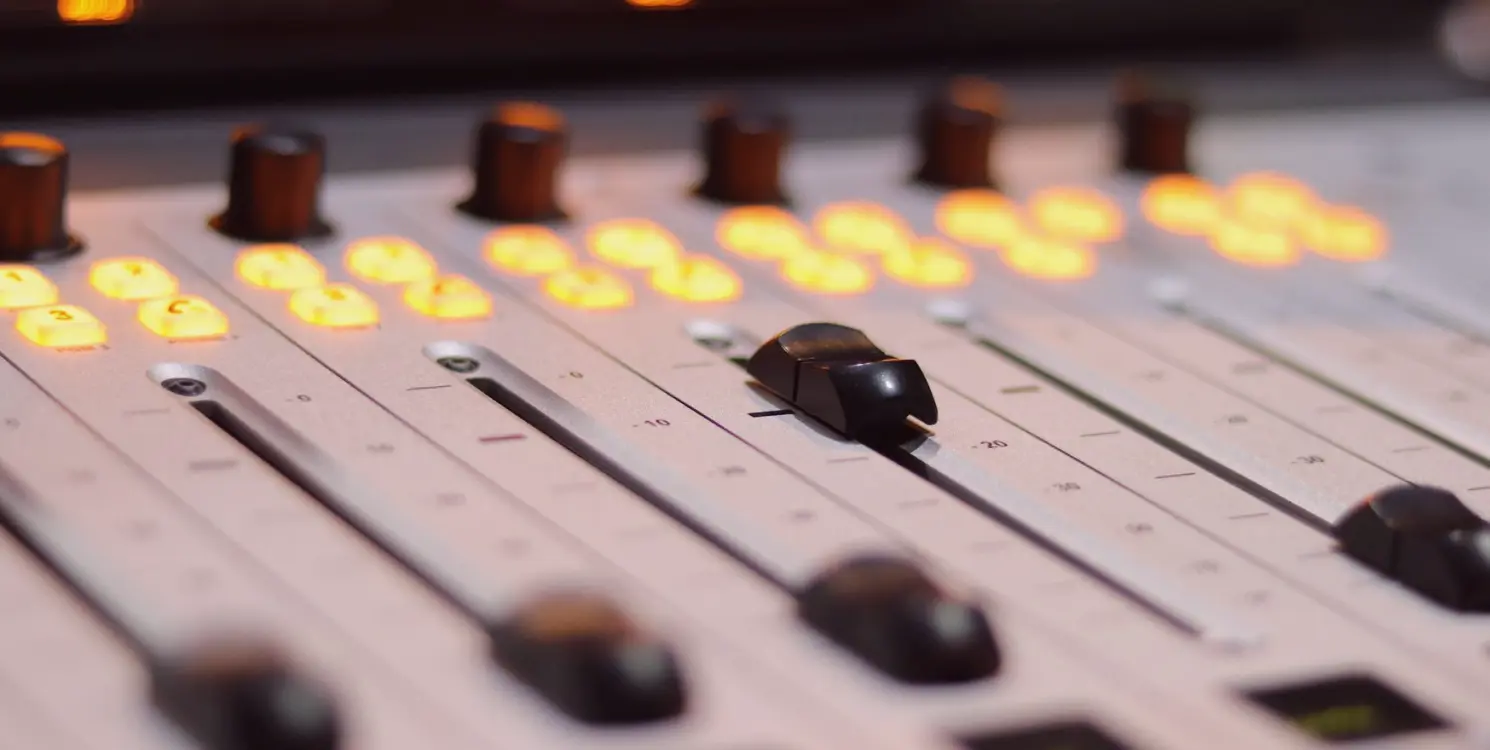
What Camera Crews Cost and What Moves the Price
A plain account of how camera operation and direction is priced for live television, which choices raise or lower the quote, and what to settle before asking for one.
Why a crew quote is never a single figure
I spend most of my working life with lighting, so I see camera crews from a particular angle: I am the person whose rig has to suit what they are doing, and I sit in the same planning meetings where the budget gets argued over. After many of those meetings, one thing is clear. A quote for camera operation and direction is built from several parts, and each part answers a different question about your programme.
Our Camera Operation and Direction service covers experienced crews and shot planning for news bulletins, interviews and multi-camera live shows. Those three formats carry very different demands. A single-presenter bulletin can run on one or two operators, while a panel show with guests, cutaways and a moving presenter needs more people and more preparation. The quote follows that shape from the first conversation.
Prices on this site are listed on the prices page, with what each is based on and what changes it. Here I want to explain the reasoning behind them, so that when you send an enquiry you already know which details we will ask about and why each one matters to the final figure.
Number of cameras and operators
The most direct driver is how many cameras are on the floor and how many people operate them. Each operator is a person with a day rate, and each camera position needs a defined job. Two cameras covering a presenter and a guest is a modest crew. Five cameras covering a presenter, three panellists and a wide establishing shot is a considerably larger one, and the cost grows roughly in step.
There is a quieter point here. More cameras do not automatically make a better programme. A well-planned three-camera set with clear roles often looks cleaner than a crowded five-camera one in which two operators spend the broadcast avoiding each other. When Daniel Pryce plans a show, he starts by asking what the audience needs to see, then works out the smallest crew that delivers it reliably.
If you are unsure how many cameras you need, say so in your enquiry. We would rather discuss the format than quote for a number you picked by guesswork and later regret.
- Each camera position needs a named operator and a defined shot
- Fixed or robotic positions cost less than operated ones
- Extra cameras add operators, cabling and monitoring
Shot planning and direction
Direction is priced separately from operation because it is a different skill and a different block of time. A director plans the shot list, agrees camera positions with the production team, calls the shots during the broadcast and keeps everyone to the rundown. For a short interview this can be light work. For a live panel show it is the part that holds the whole programme together.
Preparation time is where this shows in the quote. A format we have never seen needs a planning session, a walk through the studio and a rehearsal before anyone goes on air. A format that repeats weekly, in a studio we already know, needs far less. That difference is real, and it is the reason a regular programme becomes cheaper per episode than a one-off of the same size.
We include the planning and rehearsal time in the written quotation, so you can see what is being paid for before you agree to anything.
Duration, call times and rehearsal
Crews are booked by the day or half day, and the booking covers more than the minutes on air. Setup, camera line-up, rehearsal, the broadcast itself and the strike afterwards all take time. A thirty-minute live programme might need a full day on site once everything is counted, and the quote reflects that honestly rather than the length of the transmission.
Early starts and late finishes change the figure too. A breakfast programme that needs the crew in before dawn is priced differently from an afternoon talk show, as are evening broadcasts that run beyond the agreed finish. If a recording may overrun, tell us beforehand so the booking allows for it.
Rehearsal is the item people most often want to trim, and it is usually the wrong place to save. A rehearsed show runs to time, and an unrehearsed one tends to cost more in the end through delays and repeated takes.
- Setup and strike count towards the booked day
- Early, late or weekend calls are priced differently
- Rehearsal time is listed as its own line in the quotation
Studio, travel and technical conditions
Where the work happens matters. In your own studio, with cameras and cabling already in place, we bring crew and planning only. Away from base we also account for travel to and from Dorchester, and for any equipment we have to bring with us. Distance and the number of people travelling both raise the figure.
The state of the room also affects the price in practice. A studio with sound lighting, correct camera positions and a tested gallery lets operators concentrate on shots. Where lighting is uneven or the intercom is unreliable, the crew spends time working around problems, and that time is billed. This is one reason I like to see Camera Operation and Direction booked alongside lighting and equipment checks.
If you are not sure whether your studio is ready, we can look at it before quoting, so the figure reflects the actual room.
What to send us before asking for a quote
A good enquiry makes the quotation quicker and more accurate. Tell us the format of the programme, how long it runs, how often it airs, how many presenters and guests appear, and where the work will take place. A rough rundown helps, even if it is only a list of segments in the order you expect them.
Say whether you already have cameras and a gallery, or whether anything has to be supplied. Mention any fixed dates and any constraints on the studio, such as limited setup time before a live start. None of this needs to be polished. A few honest lines are enough for us to ask the right follow-up questions.
We reply with a written quotation, and ordering follows from there: enquiry through the contact page, written quotation or confirmation, then an invoice paid by bank transfer. Cancellations and refunds follow the payment and refund policy.
- Programme format, length and how often it airs
- Number of presenters, guests and segments
- Location, dates and any setup limits
Camera crew pricing comes down to a handful of honest variables: how many cameras, how much direction and planning, how long the booking runs, where it happens and what condition the room is in. Settle those, and the quotation holds no surprises. If you want a figure for your own programme, send the details through the contact page and we will answer in writing.
Keep reading
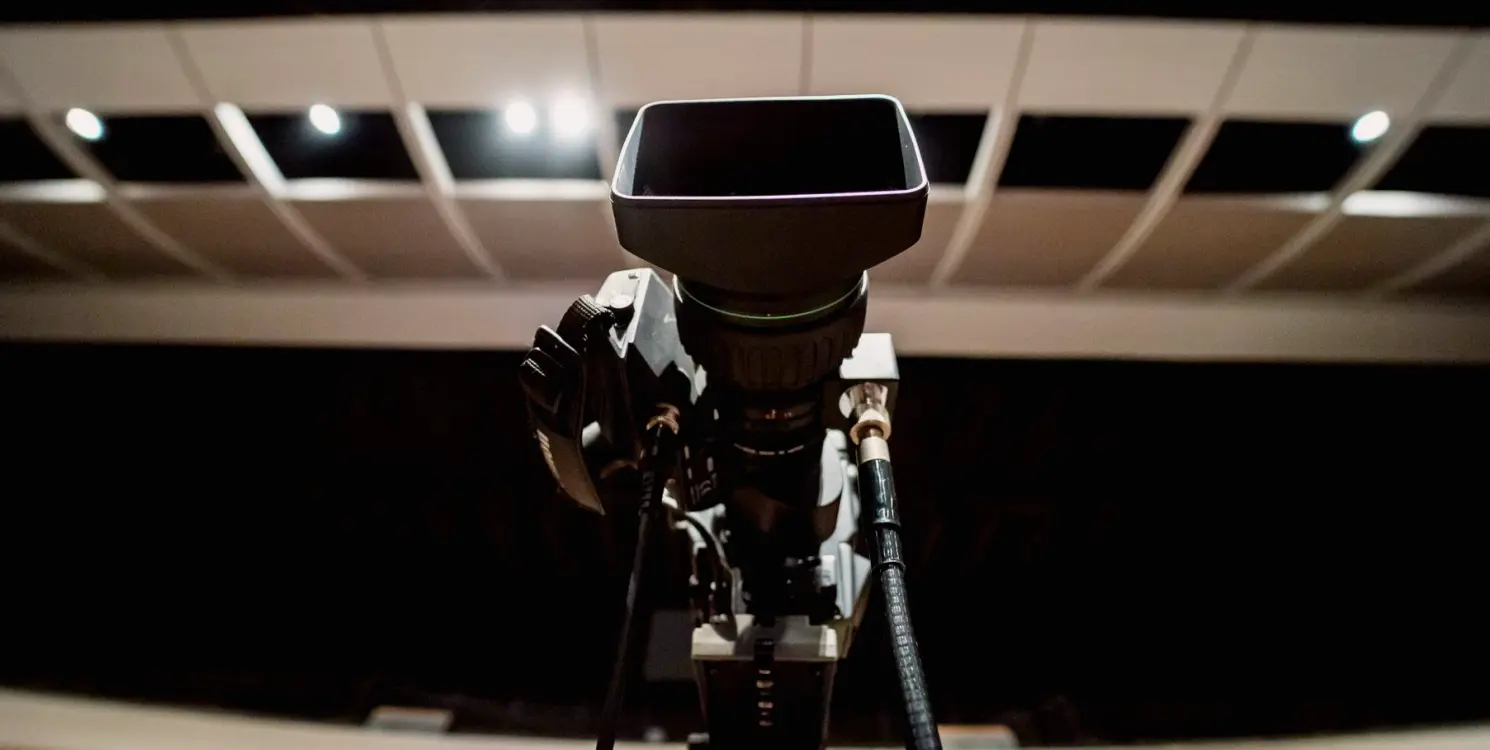
Planning Camera Positions for a Two-Guest Live Interview
A practical walk through shot planning for a live interview: where to place cameras, how to brief operators and what to settle before the first guest sits down.
A Quiet Room for Loud Mornings: One Studio's Sound Fix
Marcus ran a regional breakfast show from a converted office whose echo swallowed every guest. This is how measuring the room, treating it and moving two microphones changed what viewers heard.
Tom Fairbrother
Lighting DesignerTom builds lighting plans that flatter presenters and keep cameras consistent through long broadcasts.
Get in touch
Email: hello@vogueza.org