
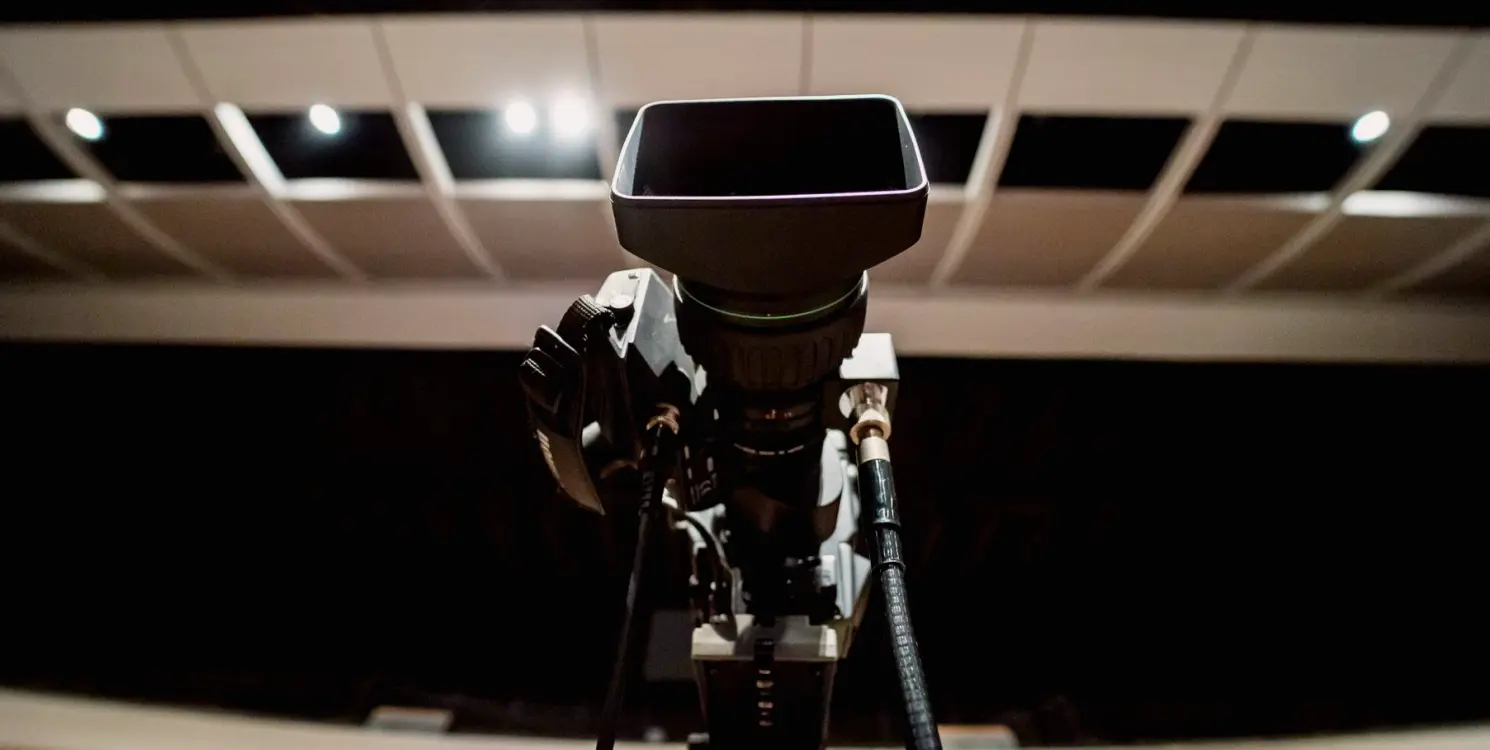
Planning Camera Positions for a Two-Guest Live Interview
A practical walk through shot planning for a live interview: where to place cameras, how to brief operators and what to settle before the first guest sits down.
Start with the shots you need, not the cameras you own
Most interview plans go wrong because the kit list is written before the shot list. Begin instead with the programme itself: how long it runs, how many guests sit at once, and what the audience needs to see to follow the conversation. For a two-guest interview with a presenter, a sensible minimum is a wide that holds all three people, a single of each guest and a tighter shot of the presenter for questions. Write those shots down in plain words before anyone touches a tripod. A line such as 'guest left, head and shoulders, slightly off-centre' is more useful to an operator than a diagram with arrows. Once the list exists, count how many cameras you truly need to cover it. Three is common for this format, and a fourth only earns its place if someone will actually cut to it.
Think about the length of the interview as well. A five-minute bulletin segment tolerates a simple cover, because the director will rarely hold a shot for more than a few seconds. A twenty-minute sit-down conversation exposes every weakness in the plan, because the audience has time to notice a camera that hunts or a framing that drifts. Plan for the longest version of the programme, then trim if the schedule shrinks.
It also helps to decide early who owns each shot. When two operators believe they are both covering the presenter, the director ends up with duplicates and a gap where a guest should be. Name the shot against the camera number on the plan, and keep that numbering consistent from rehearsal through to transmission.
Finally, keep the plan short enough to read at a glance. A single page that sets out camera numbers, shot descriptions and the order of guests will be used on the studio floor. A longer document tends to stay in a folder while the crew improvises, which defeats the purpose of planning at all.
- List shots in plain words before choosing kit
- Name each shot against a camera number
- Plan for the longest version of the programme
Placing cameras around the set
Position follows the shot list. The wide usually sits at the back of the studio, centred on the set, with enough height to see over any desk without looking down on the guests. The two singles are best placed to the left and right of that wide, angled in towards the guests so each face is seen slightly from the front rather than in strict profile. A small angle makes people look engaged with the conversation. Watch the eyelines. If a guest looks at the presenter and the camera sits too far from the presenter's position, the guest appears to be looking away from the viewer. Keep the singles close enough to the interviewer that the guest's glance reads as natural. Mark the floor with tape for each camera's resting position, so it returns to the same place after any move.
Think about cable runs and movement as you place each camera. A pedestal that has to cross a taped walkway or snag on a power run will cost you a ragged move on air. Route cables along the studio edge, leave slack at the base of each camera, and give the operator enough room to reframe without stepping on a lead.
Check the sightlines between cameras too. In a compact studio it is easy for one operator to drift into the background of another's shot, particularly on a wide. Walk the room with a monitor before rehearsal, and ask each operator to confirm what they can see behind and beside them. A few minutes spent here avoids a distracting shadow or a stray elbow appearing in frame during the interview.
Leave a clear route from the green room to the seats as well. Guests who weave between tripods tend to arrive flustered, and a nervous guest changes how long the director must hold a reassuring wide. Keeping the set uncluttered makes the guests calmer and the pictures better, which is the whole point of placing cameras with care.
- Wide at the back, singles angled slightly in
- Keep singles close to the interviewer's position
- Tape floor marks for every resting position
Briefing the operators
A short, structured briefing saves far more time than it costs. Gather the crew at the set, show the shot list, and walk through the running order from the first line to the last. Say which camera takes the opening, which one the director will turn to for a laugh or a pause, and which one holds the wide as a safety. Operators work better when they know what the director is likely to ask for next. Agree the language you will use over intercom. Keep calls brief and consistent: 'two, tighten', 'three, ready'. Decide beforehand how you will warn of a move, and who is allowed to speak during a live segment. Clear intercom discipline matters more than any single piece of equipment when the programme is running to the clock.
Give operators the information they cannot see for themselves. Tell them where the guests will sit, whether either is likely to gesture a lot, and whether anyone will hold an object up to the camera. A guest with a printed document needs a different cover from one who simply talks, and an operator who learns this at rehearsal can frame for it rather than chase it on air.
Agree how to handle mistakes as well. If a shot goes soft or a guest leans out of frame, the operator should correct quietly and keep the picture steady rather than snatch at it. A director can cut away from a drifting shot, but cannot hide a sudden jerk. Reassure the crew that calm adjustment is what the gallery wants, and that an honest call of 'I've lost focus' is far more useful than silence.
Close the briefing by asking each operator to repeat their first two shots back. It takes less than a minute, and it exposes any misunderstanding while there is still time to fix it. Crews that rehearse this habit tend to settle quickly once the red light comes on.
Rehearse with real people in the seats
An empty set tells you very little about an interview. Ask colleagues to sit in the guest chairs and read the opening questions, ideally people of different heights and builds, because framing that suits one person may cut off another. Run the first minute of the programme as it will go out, and have the director call every cut. Operators learn their timing, and the director learns which transitions feel awkward. Use the rehearsal to test the unglamorous moments: the handshake at the start, a guest settling into a chair, the presenter turning to the camera for the sign-off. These are where plans most often fall apart. If a camera cannot reach a framing in time, change the plan rather than hoping the operator will move faster on the day.
Rehearse the recovery as well as the ideal run. Ask a stand-in guest to lean back, laugh or reach for a glass, and watch how the operators and the director respond. A crew that has dealt with a surprise once is much steadier when a real guest does something unexpected. Keep this part light, because the aim is confidence rather than a perfect take.
Take notes during the run and share them straight away. A comment such as 'camera two is slightly high on the left guest' is easy to fix in the moment and almost impossible to remember an hour later. Keep a single person responsible for collecting them, so the crew hears one consistent set of adjustments rather than several overlapping opinions.
Leave a short gap between the final rehearsal and the live programme. Operators need a moment to reset focus, check their marks and take a breath. Rushing straight from rehearsal into transmission is a common reason for a sloppy opening, and the first thirty seconds of an interview are the ones viewers remember.
- Use stand-ins of different heights in the guest chairs
- Rehearse the handshake, the sit-down and the sign-off
- Collect notes through one person only
What to check in the final ten minutes
Before going live, run a quiet checklist rather than a flurry of last-minute changes. Confirm each camera is focused on its guest, that the tally lights work, and that every operator can hear the director clearly. Check the framing of the wide against the lower-third graphics, so nobody's chin disappears behind a caption. A calm, repeatable routine beats improvisation when the countdown begins. Look at the monitors with fresh eyes. A shot that seemed fine during rehearsal can reveal a stray cable, a reflection or an untidy background once the guests are seated. Ask someone who has not been involved in the setup to glance at the picture and say what draws their eye. If it is anything other than the people talking, tidy it before transmission.
Remind the presenter of the cues they will receive and the cameras they should address. A presenter who knows which lens to look at for the opening and the close appears confident without any extra effort. Keep this reminder short and specific, and avoid adding new instructions at this stage, since fresh instructions are the ones most easily forgotten.
Last of all, settle who calls what if something goes wrong. If one camera loses its signal, the director needs to know immediately which other shot covers the gap, and the operators need to know they should hold position rather than reshuffle. Having that agreement in place costs nothing and turns a potential crisis into a minor adjustment the audience never notices.
Good camera work on a live interview is mostly decided before anyone goes on air. Write the shots in plain words, place cameras to serve them, brief the crew clearly and rehearse with real people in the chairs. None of this needs unusual equipment, only care and a habit of settling questions early. When the final ten minutes arrive, the director can then watch the programme rather than rescue it, and the guests can simply talk.
Keep reading
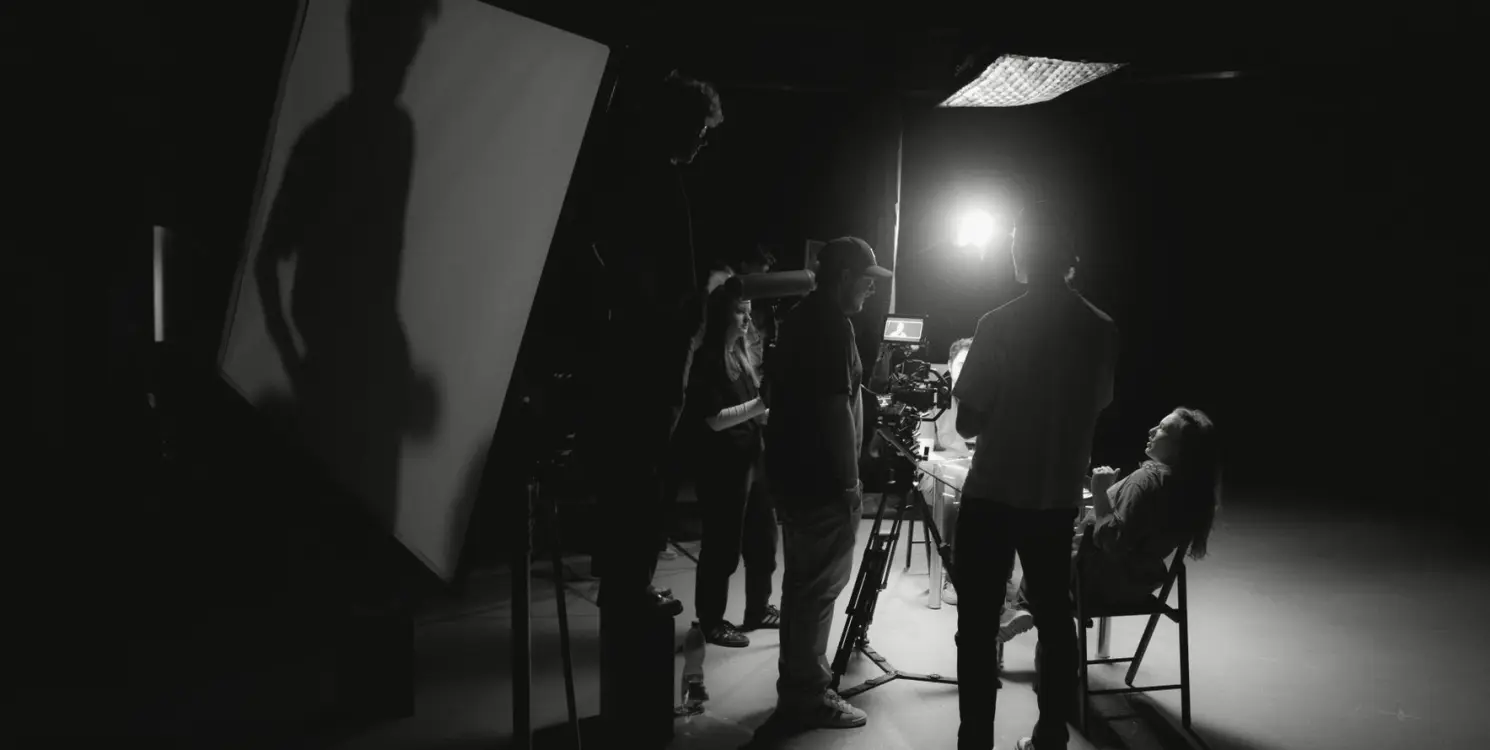
Before You Commit: A Checklist for Live Production Workflow Support
A practical list of questions to work through before choosing workflow support for a live programme, covering rundowns, rehearsal, roles and what happens when the broadcast overruns.
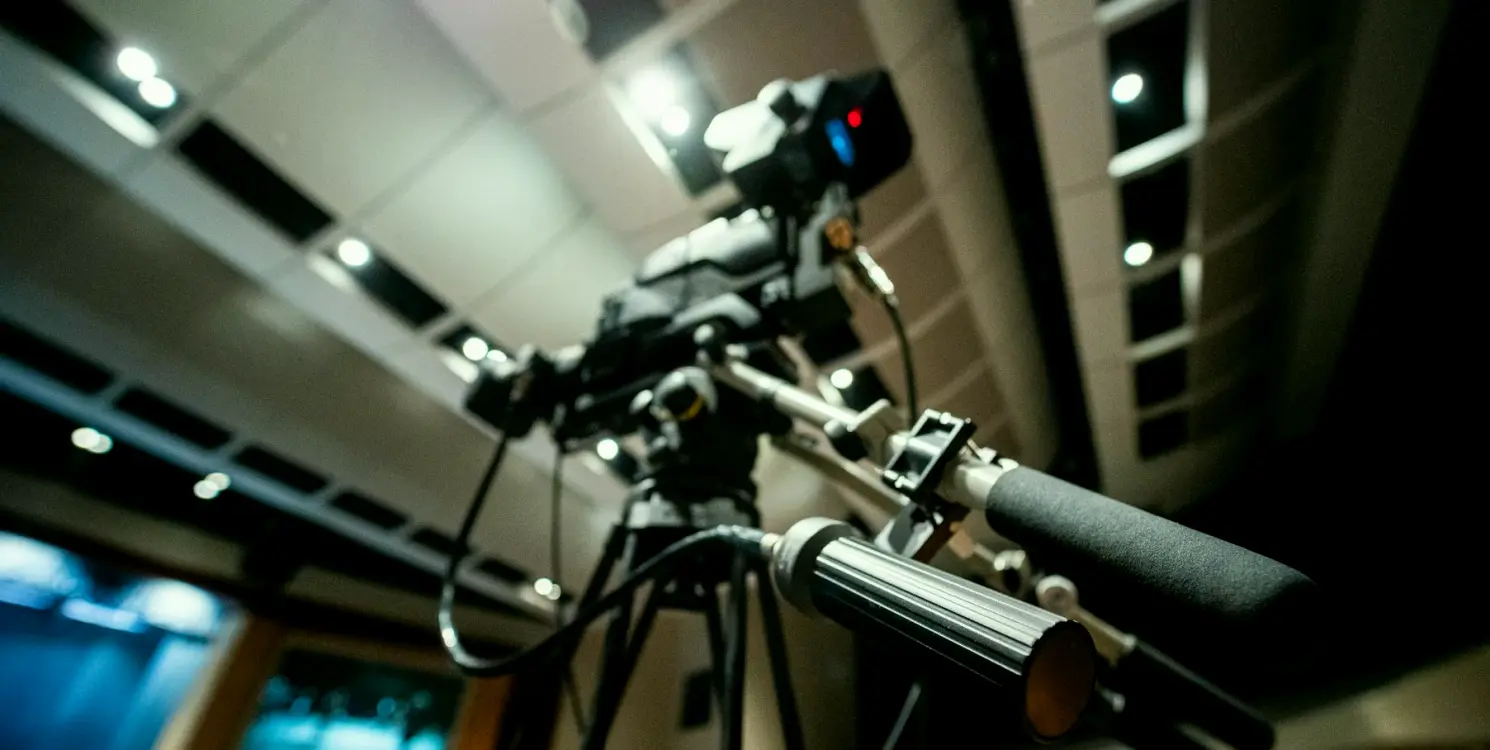
Lighting a Regional Panel Show: Notes from Rosa's Studio
A short account of how a small regional broadcaster, represented here by its producer Rosa, rebuilt a flat, shadowy panel set with a measured LED plan and a rig that holds steady through long
Helen Marsden
Head of Studio EngineeringHelen designs and commissions studio galleries, with a background in broadcast engineering across regional news.
Get in touch
Email: hello@vogueza.org