
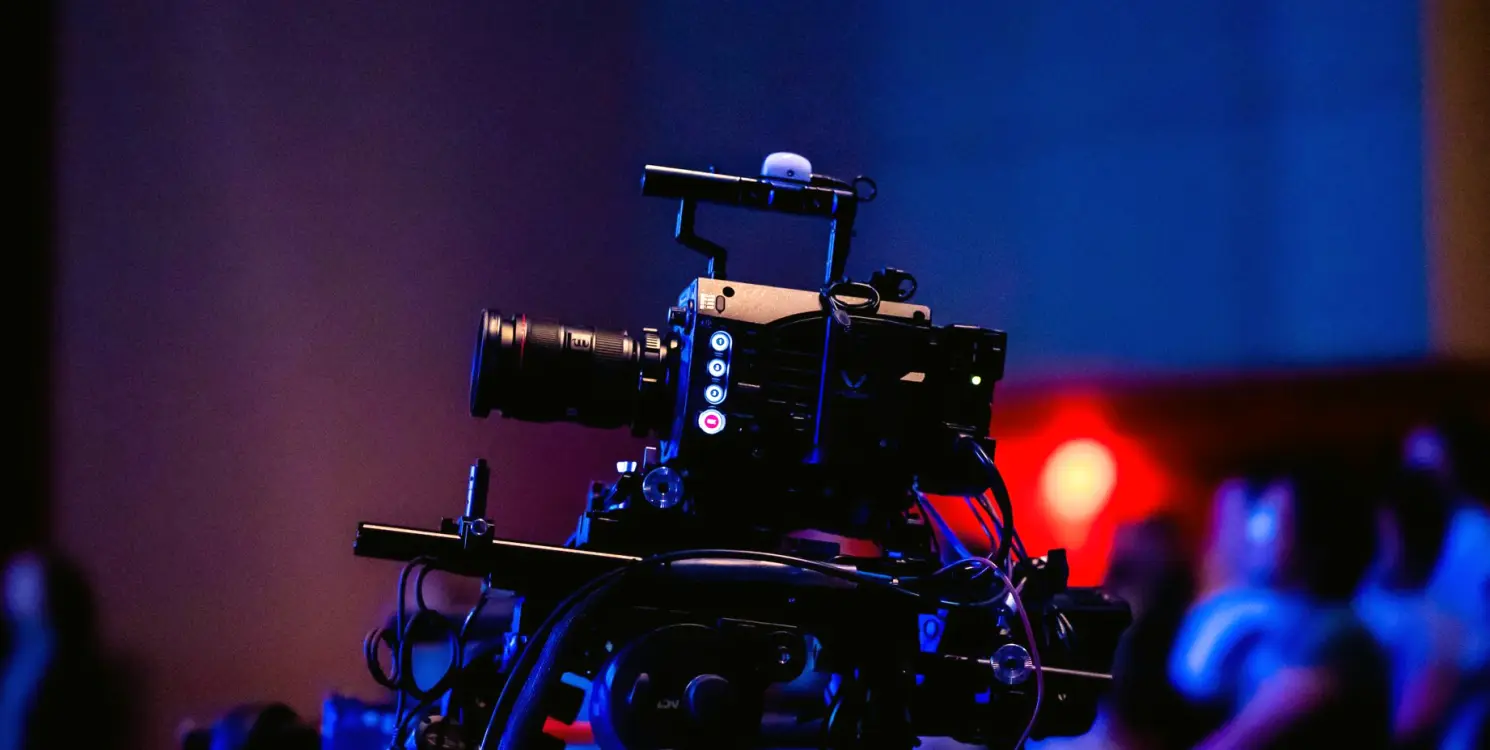
A Quiet Room for Loud Mornings: One Studio's Sound Fix
Marcus ran a regional breakfast show from a converted office whose echo swallowed every guest. This is how measuring the room, treating it and moving two microphones changed what viewers heard.
The call from a converted office
Marcus managed a small regional station that had moved its breakfast programme into a former open-plan office on the edge of town. The set looked fine on camera, with a neat desk, a plant wall and a window behind the presenters. The trouble was what came out of the speakers. Guests sounded as though they were talking from the bottom of a stairwell, and the presenter's voice changed noticeably when she turned to the second chair.
He rang us in the early weeks of autumn, a little embarrassed, saying the team had already tried a few things on their own. They had hung two heavy curtains and swapped the microphones for a more expensive pair. Neither change had helped much, and the morning show was due to grow from forty minutes to a full hour, so the problem could not be left to settle by itself.
Measuring before touching anything
I sent Priya Sandhu from our acoustics side to the building before we proposed any work. She measured the room's reverberation at several points, played test tones through the set loudspeakers and recorded speech at each seat. The numbers were clear. Decay time was long in the mid frequencies, exactly where speech lives, and a hard flat ceiling was bouncing sound straight back onto the desk.
She also found a low hum at a steady pitch that nobody on the team had named. It came from the ventilation duct above the guest chair, and the new microphones had simply captured it more faithfully. Having figures on paper changed the conversation with Marcus. Instead of debating taste, we could point to which surfaces were causing which problems and rank the fixes by how much each would help.
- Reverberation measured at the presenter and guest positions
- Test recordings made with the existing microphones in place
- Ventilation noise logged separately from room echo
Treating the room, not decorating it
The plan was modest on purpose. We specified a run of absorbent panels on the ceiling directly above the desk, two wall panels at the points where the first reflections reached the microphones, and a thick bass trap in the corner nearest the duct. The plant wall stayed, since it already scattered a little sound and was part of the picture.
Fitting took a single evening after the station went off air, so no broadcast was lost. The panels were chosen in a neutral grey that sat outside the camera frame, which kept Daniel Pryce's shot plans untouched. Marcus had half expected the studio to look like a recording booth, and was pleased to find that from the gallery the set looked exactly as it had the day before.
Moving two microphones by thirty centimetres
The cheapest change turned out to be one of the most effective. The presenters' microphones had been clipped to the monitor stands at arm's length, a habit inherited from the old set. We brought them in on short booms, closer to the mouth and just below eye line, so the voice reached the capsule well before any reflection did.
We also gave the guest chair its own microphone aimed away from the duct, and set levels so that a guest leaning back did not vanish. After a rehearsal with the full crew, the presenter heard her own voice stay steady as she turned between chairs. Closer placement meant lower gain, and lower gain meant less of the room reached the mix in the first place.
- Booms replaced monitor-stand clips
- Guest microphone angled away from the duct
- Gain reduced once capsules sat closer to speakers
What the first week on air sounded like
The first live hour with the new setup was ordinary, which is the best result in this trade. Nobody mentioned the sound on air or in the production meeting afterwards. Marcus told me the floor manager had stopped asking him whether guests were audible, and that a listener who had once written in about muffled voices sent a short note saying the programme was easier to follow.
The hum from the duct was still faintly there if you went looking, but the trap and the closer microphone had pushed it well below the speech. We left a short written note with the station listing every panel position, the microphone distances and the settings used, so the next engineer to open the cupboard would not have to guess.
What I take from Marcus's room
The lesson is not that treatment beats equipment or the reverse. Marcus had already spent on better microphones and gained little, because the room was deciding the sound before the capsule had a say. Measuring first let us spend on the three things that mattered and leave alone the things that did not, including a costly ceiling replacement he had been quoted elsewhere.
If your studio sounds wrong, resist the urge to change gear at random. Listen for where the trouble sits, whether in reflections, in noise from building services or in how people are placed around the microphones, and fix that first. A quiet room is rarely dramatic. It simply lets the presenter and the guest be heard the way they spoke.
Marcus's studio did not need a rebuild. It needed measurement, a handful of panels, a trap by the duct and two microphones moved closer to the people speaking. If your own room leaves guests sounding distant, start by finding out why, and our team will gladly talk through what a survey would involve.
Keep reading
Commissioning a Studio Gallery: A Practical Walk-Through Before Go-Live
A practical guide to testing vision mixers, monitors, intercom and routing as one system, so the gallery is proven end to end before the first live programme goes out.
Six Room Mistakes That Spoil Speech on Air, and How to Avoid Them
Most muddy dialogue in a live studio traces back to a handful of avoidable choices made before the first rehearsal. Here is what goes wrong with room acoustics and how to put it right.
Helen Marsden
Head of Studio EngineeringHelen designs and commissions studio galleries, with a background in broadcast engineering across regional news.
Get in touch
Email: hello@vogueza.org