

Fixed Gallery or Flexible Rack: Choosing How to Wire a Studio
Two ways to build a studio gallery, a dedicated fixed installation or a modular rack that can be reconfigured, compared on cost, change and reliability, with a clear recommendation.
Two sensible ways to build a gallery
When a team asks us to integrate a gallery, the conversation usually narrows to two options. The first is a fixed installation: vision mixer, routing, intercom and monitor wall are specified together, cabled into a permanent frame and tested as a single system. The second is a modular rack approach, where the same functions sit in movable units with patch fields, so the room can be reshaped as programmes change.
Neither is wrong. I work in lighting rather than vision mixing, but I spend long hours in galleries and studios beside Helen Marsden's engineering work, and I see the consequences of this choice every week. A gallery that suits a nightly news bulletin can frustrate a team that turns the room over for interviews, panel shows and the occasional special.
This note sets the two side by side on cost, day to day running and change over time, then gives a recommendation. Both lead to the same goal: a gallery that works as one system rather than a collection of boxes that happen to be switched on together.
What a fixed installation gives you
A fixed build is quiet and predictable. Every signal path is documented, every cable is labelled and routed once, and the operators learn one layout until it becomes second nature. Faults are easier to trace because nothing moves between shifts, and the room feels calm because there is little loose equipment to knock or unplug.
The price of that calm is rigidity. Adding a new monitor feed or a second intercom channel means opening the frame, extending cable runs and retesting the affected paths. It can be done, but it is a planned piece of work, not something done an hour before a show.
Fixed installations suit teams with a stable format: one studio, a regular line-up of programmes and a crew that rotates through the same positions. In that setting the discipline of a permanent system pays back every week.
- Clear documentation and labelling from day one
- Fewer connections that can come loose between shifts
- Changes need planned downtime and retesting
What a modular rack gives you
A modular approach puts routing, conversion and intercom interfaces into rack units joined through patch fields. A producer who wants a different monitor layout, an extra guest feed or a remote contribution can usually have it by repatching rather than rebuilding. For teams whose programmes change every season, that freedom is real value.
It does ask more of the people using it. Patching must be done carefully and recorded, otherwise the room slowly drifts away from its drawings and nobody is certain what is connected to what. Spare capacity also costs money up front, because ports you do not yet use still have to be bought and cabled to the patch field.
We find modular racks work best where there is a named person who owns the patch records and a short routine for checking them. Without that, flexibility turns into untidiness, and untidiness shows up on air at the worst moment.
- Reconfigure for a new format without a rebuild
- Spare ports are paid for before they are needed
- Needs a patch record that someone keeps current
How the two compare on cost and risk
On the first invoice, a fixed build is often a little cheaper, since you pay only for the paths you will use. A modular system costs more at the start because of patch fields, extra interfaces and spare capacity. Over several years the picture can reverse for a team that changes format often, because each alteration to a fixed frame is a separate piece of site work.
Risk differs in kind. A fixed gallery risks being outgrown; a modular one risks being mishandled. Neither risk is dramatic when it is named early, and both are easier to manage when the system is specified, installed and tested by the same people who will answer the phone afterwards.
Whichever route you take, the acceptance test matters more than the architecture. Every source, destination, return feed and intercom route should be walked through with the operators before the first programme, not after it.
- Fixed: lower entry cost, costlier later changes
- Modular: higher entry cost, cheaper reconfiguration
- Either way: test every path with the crew present
The cases where each one wins
Choose the fixed installation when the studio has one clear purpose, the programme grid is settled for the next few years and the crew is small. A regional news room with a single set and a nightly rundown is the typical example. The gallery will be used the same way thousands of times, so it should be built to be used that way.
Choose the modular rack when the room serves several formats, when guests arrive from remote locations in varying numbers, or when the schedule is still being worked out. A studio that hosts interviews on Monday and a live panel on Thursday will keep asking the gallery to change shape.
There is also a middle course: a fixed core for the signals that never change, such as the main mixer, the primary monitors and the core intercom, with a modest patched section for the feeds that do. It costs a little more thought at the specification stage and saves a good deal of argument later.
Our recommendation
For most teams that come to us, we recommend the hybrid: a fixed core with a small patched section sized for the changes you can already foresee. It keeps the everyday operation calm and documented, and it leaves room for the growth that nearly every studio experiences once its first season is over.
Before committing, write down how many different programme formats the room must serve in the next two years, who will maintain the patch records, and which feeds are most likely to change. Those three answers usually point clearly towards one option, and they give us a sound brief for specifying the gallery.
Bring that list to a conversation and we will talk it through with Helen's team, covering the vision mixer, monitors, intercom and routing as one design rather than separate purchases.
A gallery is a long commitment, so the choice between fixed and flexible deserves an honest look at how your programmes will really change. Fixed suits settled formats, modular suits shifting ones, and a hybrid serves most teams well. Whichever you choose, specify it as one system, test every path with the crew present and keep the records current. That discipline matters more than the architecture and keeps the room dependable on air.
Keep reading
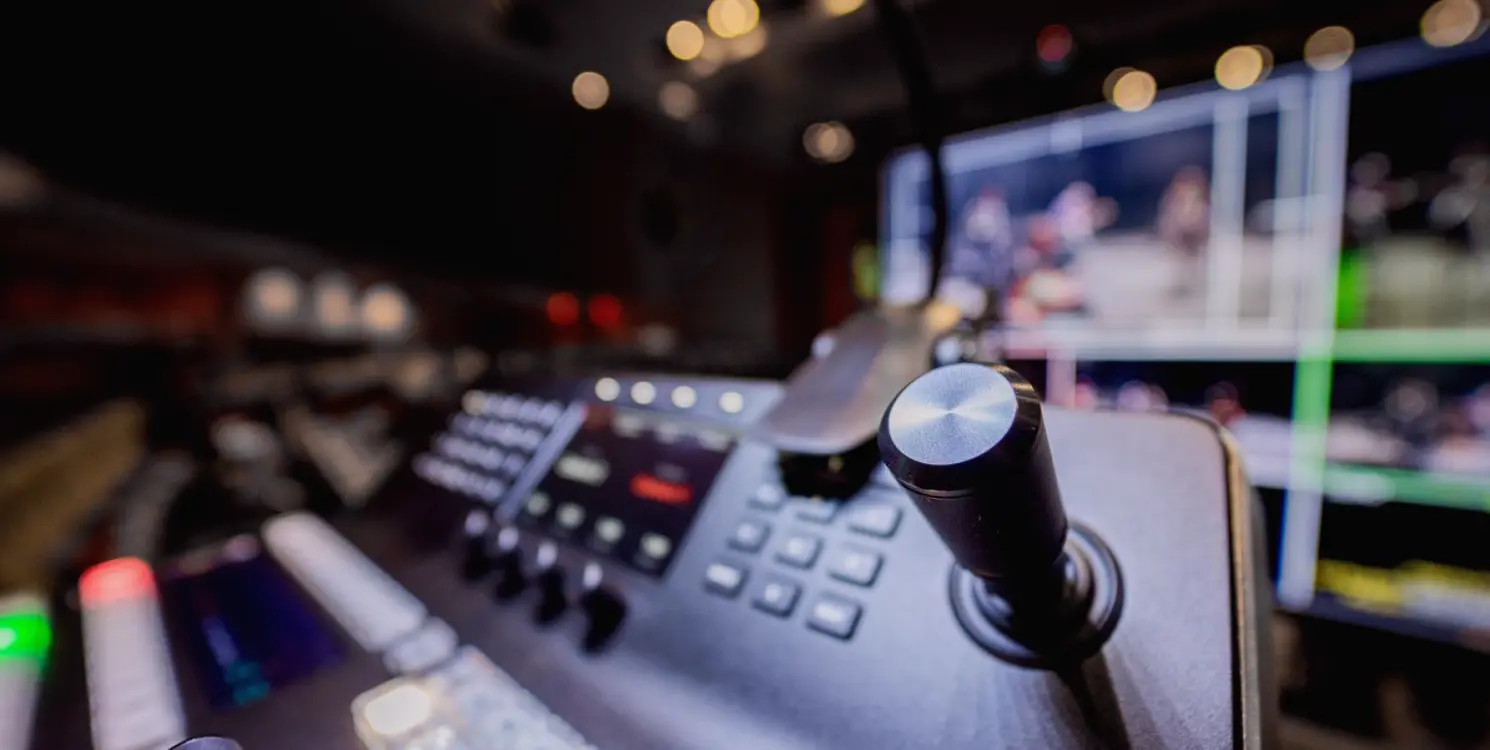
Camera crews and shot planning now available for live bulletins and panels
Our camera operation and direction service gives news bulletins, interviews and multi-camera live shows an experienced crew and a shot plan agreed before the first rehearsal.
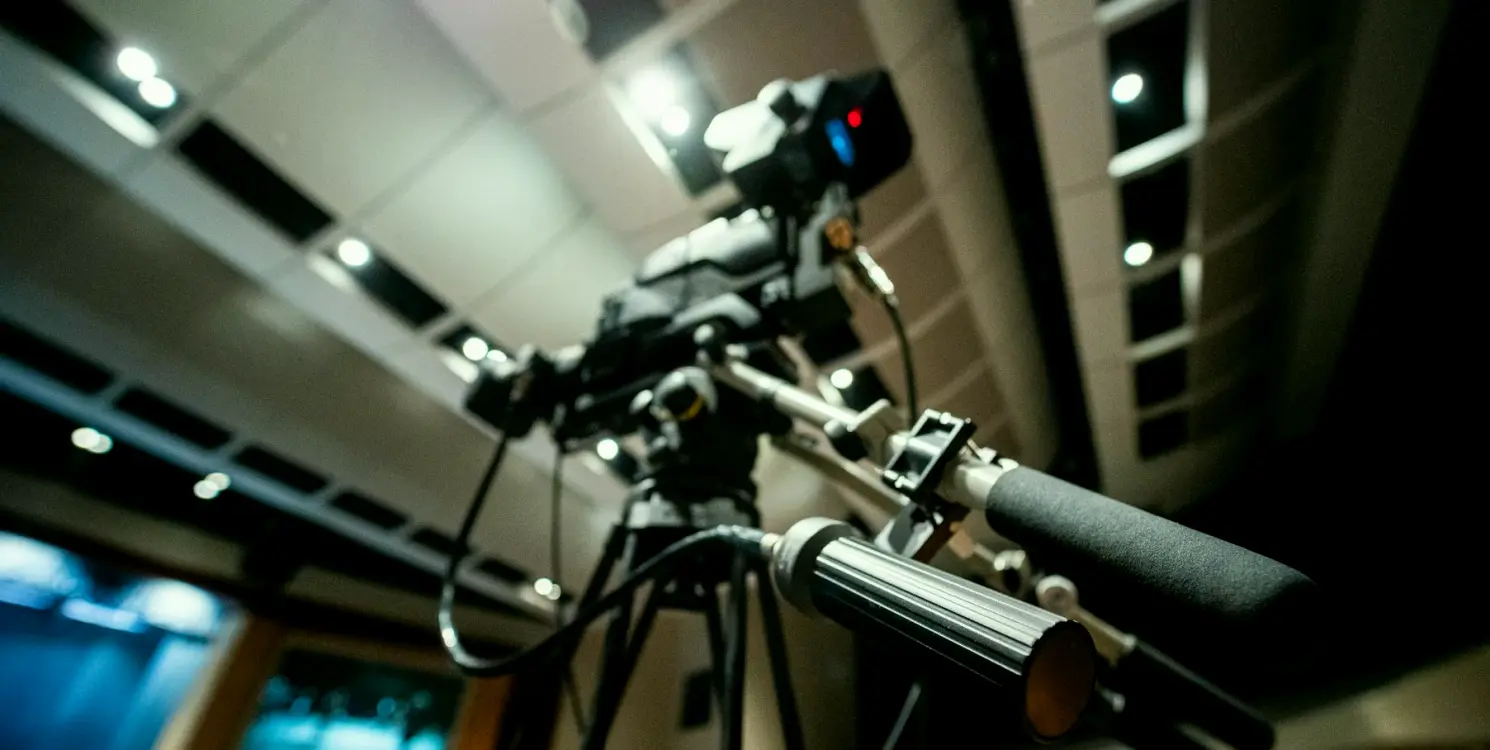
Lighting a Regional Panel Show: Notes from Rosa's Studio
A short account of how a small regional broadcaster, represented here by its producer Rosa, rebuilt a flat, shadowy panel set with a measured LED plan and a rig that holds steady through long
Tom Fairbrother
Lighting DesignerTom builds lighting plans that flatter presenters and keep cameras consistent through long broadcasts.
Get in touch
Email: hello@vogueza.org