
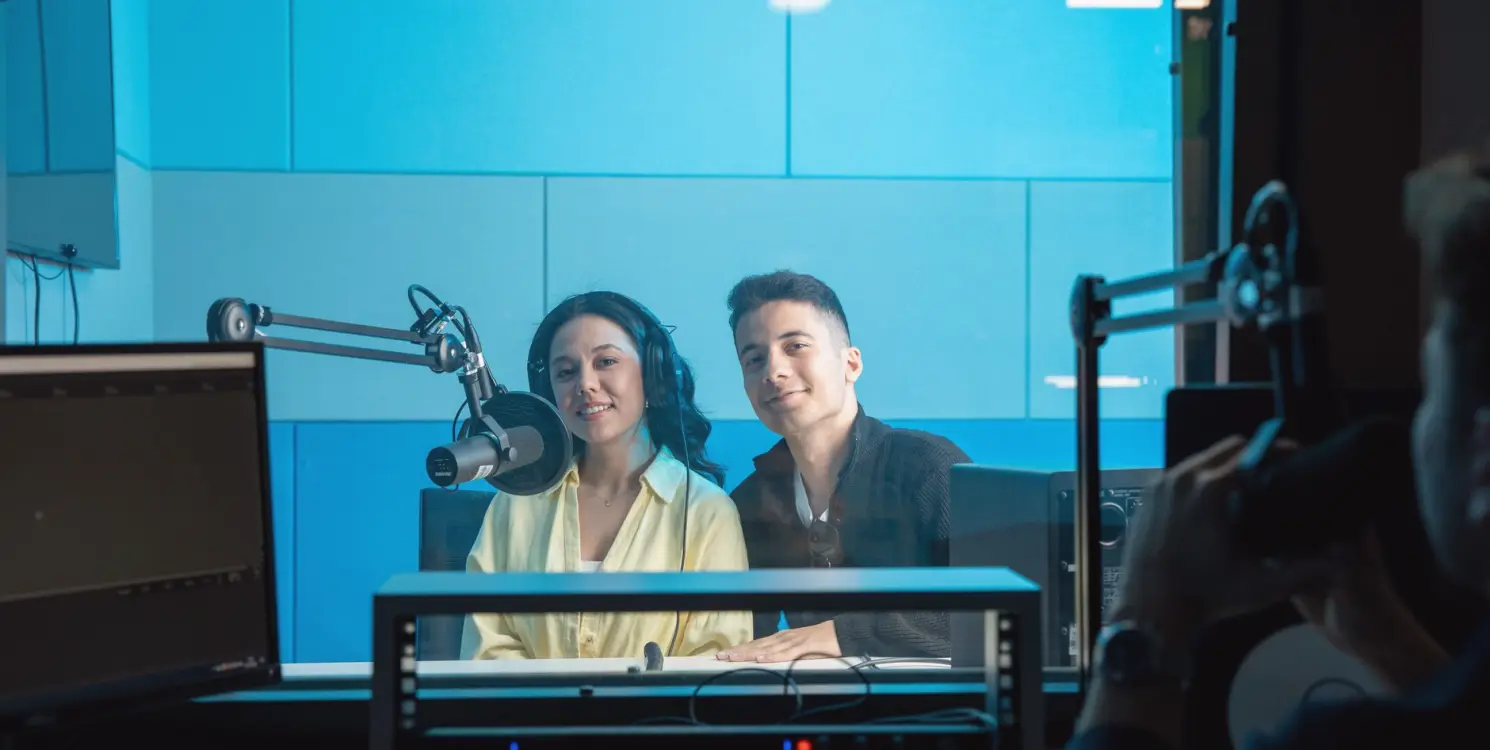
Colour temperature on a news set, explained in plain words
Why a presenter's face can look orange under one lamp and grey under another, and how we set kelvin values so every camera in a live studio agrees.
What colour temperature actually means
Colour temperature is a measure of how warm or cool a source of light appears, given in kelvin. A low figure, around 3200K, looks warm and amber, like a traditional tungsten lamp. A high figure, around 5600K, looks cooler and bluer, closer to open daylight. The numbers sound technical, but the idea is simple: every light has a colour cast, and a camera records that cast faithfully, whether you want it or not.
Our eyes cheat. A person walking from a warm kitchen into a cool office hardly notices the change, because the brain corrects it quietly. A camera has no such habit. It sees the cast exactly as it is, so a presenter lit by two lamps of different kelvin values can show one warm cheek and one cool one. That is the problem this term exists to describe, and it is why we talk about kelvin before we talk about brightness.
In the lighting plans we draw for a studio, the colour temperature of each fixture is written down next to its position and its purpose. It is one of the first questions we ask when we visit a room.
- Around 3200K: warm, amber, tungsten-like
- Around 5600K: cool, daylight-like
- A camera records the cast; the eye corrects it
Why the figure matters more on air than in the room
In a live programme there is no chance to fix colour afterwards. A grade applied in an edit suite is not available when the red light is on, so the work has to be right before the first bulletin. If the key light sits at one temperature and the background at another, the viewer sees an uneasy picture even if they cannot say why. Skin looks unwell, a blue backdrop turns grey, and a white shirt picks up a tint.
Consistency across the gallery matters just as much. When a director cuts from a wide shot to a close-up, the colour should not shift. Matching the lamps to a single figure keeps the cuts invisible, which is the aim of most live work: the audience follows the conversation and never thinks about the equipment.
This is also why mixed lighting is a common source of trouble. A studio with LED panels, a window and a few older fittings is effectively using three colours at once.
Setting kelvin across a rig of LED fixtures
Modern LED fixtures let us choose the colour temperature on the fixture itself, usually through a dial or a control desk. That flexibility is useful, but it needs discipline. We pick one target for the whole set, commonly the figure the cameras are balanced to, and set every fixture to it before touching anything else. Only then do we adjust levels for key, fill and background.
The temptation is to nudge one lamp a little warmer because it looks pleasant to the eye in the room. We avoid that unless the plan calls for it. A small, deliberate difference, such as a slightly warmer practical lamp in shot, can add depth. An accidental one simply looks like an error on a monitor.
When we rig a studio, we label the fixtures with their setting and note it in the handover, so the next engineer does not have to guess.
- Choose one target figure for the whole set
- Set every fixture before adjusting levels
- Record each setting in the handover notes
White balance: the camera's half of the agreement
Kelvin on the lights is only half the story. The camera has its own white balance, which tells it what to treat as neutral. If the lights are set to 5600K and the camera expects 3200K, the whole picture drifts blue. The two settings must agree, and the usual method is to hold a plain white or grey card in front of the lens under the real studio lighting and set the balance from it.
We do this at the start of a rehearsal, with the presenter's position lit as it will be on air, and repeat it if any fixture changes. It takes a couple of minutes and removes a whole category of problems before they reach the monitors.
Cameras of different ages can interpret the same card slightly differently, so we compare their outputs side by side on the vision mixer's monitors and adjust until they match.
Daylight, windows and other uninvited light sources
A window is the most common reason a carefully balanced studio goes wrong. Daylight changes through the day and through the weather, and in these autumn weeks the low sun can arrive at an awkward angle just as a lunchtime programme begins. Light that is neutral at nine can be golden by three, and it will not match the LED fixtures on your set.
The practical answer is control. Blinds or blackout material over windows let the studio lighting be the only colour the cameras see. Where a window is part of the look, we balance the fixtures towards it and accept that the picture will shift over a long broadcast, planning shots so the effect stays out of the main frame.
We also look for smaller offenders: monitors glowing in shot, screens behind a guest, and a practical lamp with an unknown bulb.
- Cover windows when the studio must stay constant
- Check for monitors and screens in the frame
- Replace unknown bulbs with fixtures of a known figure
A short routine before every broadcast
Over time we have settled on a simple order of checks. First, confirm the target figure and read it from the fixtures, not from memory. Second, white balance each camera against a card in the lit position. Third, put a person in the chair and look at skin tone on the monitors, since a card cannot tell you how a face will look. Fourth, cut between cameras and watch for any shift.
None of this requires special equipment beyond a card and a calm few minutes. What it does require is that someone owns the task, so it is not left to chance when the schedule is tight.
If a studio has grown piece by piece and the colour has never quite settled, a visit to measure and reset the rig is often the quickest improvement available.
Colour temperature is a small term with a large effect on how a live programme looks. Choose one figure, set every light to it, balance the cameras against it, and keep stray daylight under control. Do those four things and presenters look natural, cuts stay smooth and nobody at home notices the lighting at all, which is exactly the result a good rig is meant to give.
Keep reading
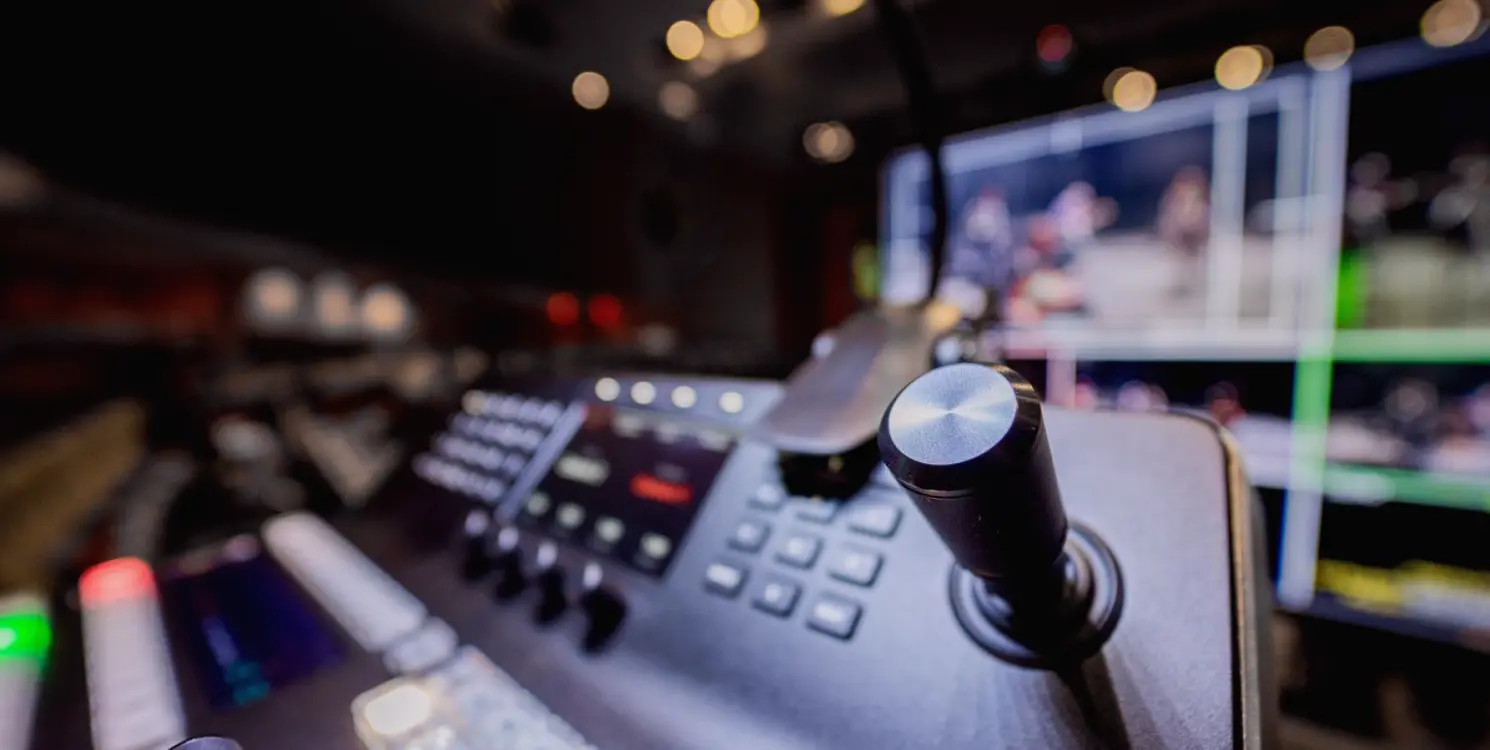
Camera crews and shot planning now available for live bulletins and panels
Our camera operation and direction service gives news bulletins, interviews and multi-camera live shows an experienced crew and a shot plan agreed before the first rehearsal.
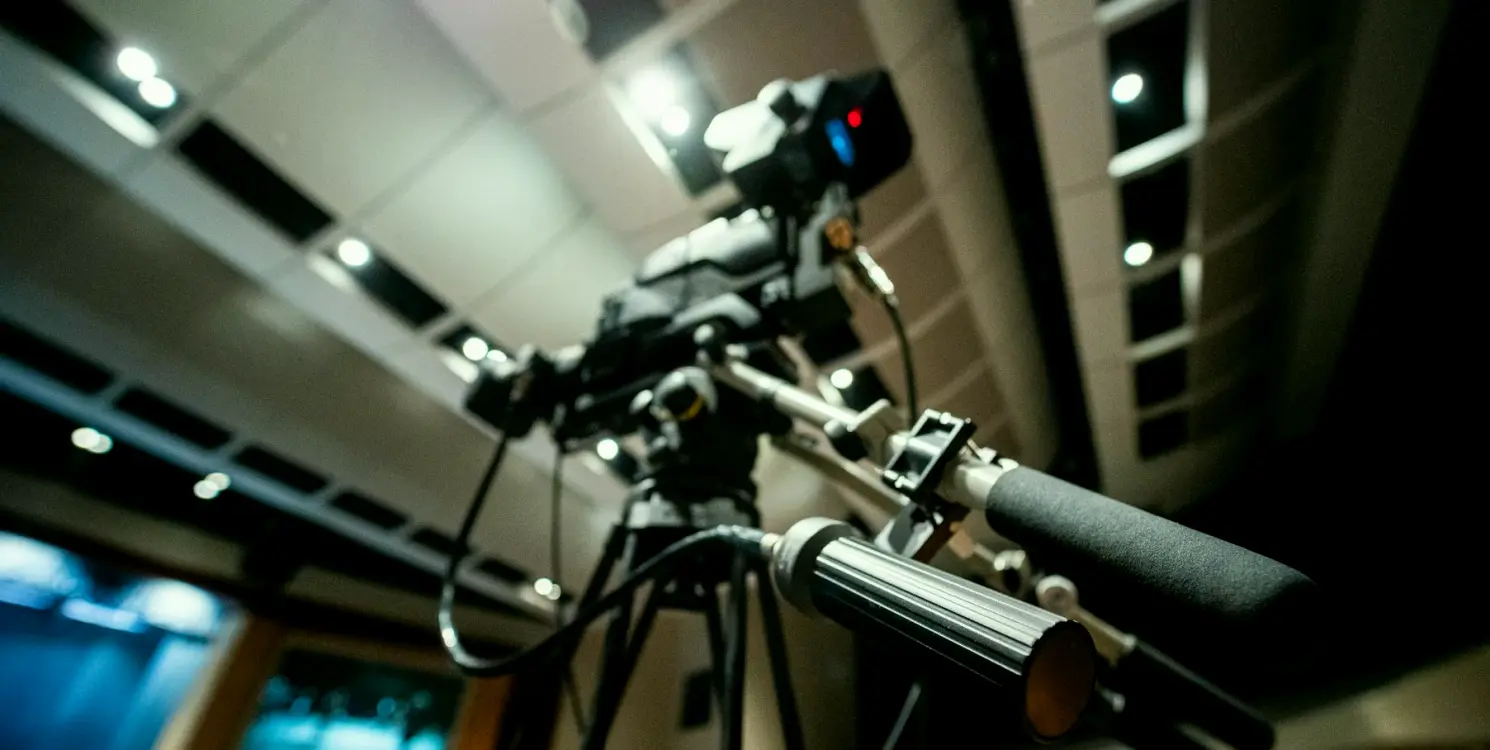
Lighting a Regional Panel Show: Notes from Rosa's Studio
A short account of how a small regional broadcaster, represented here by its producer Rosa, rebuilt a flat, shadowy panel set with a measured LED plan and a rig that holds steady through long
Tom Fairbrother
Lighting DesignerTom builds lighting plans that flatter presenters and keep cameras consistent through long broadcasts.
Get in touch
Email: hello@vogueza.org