
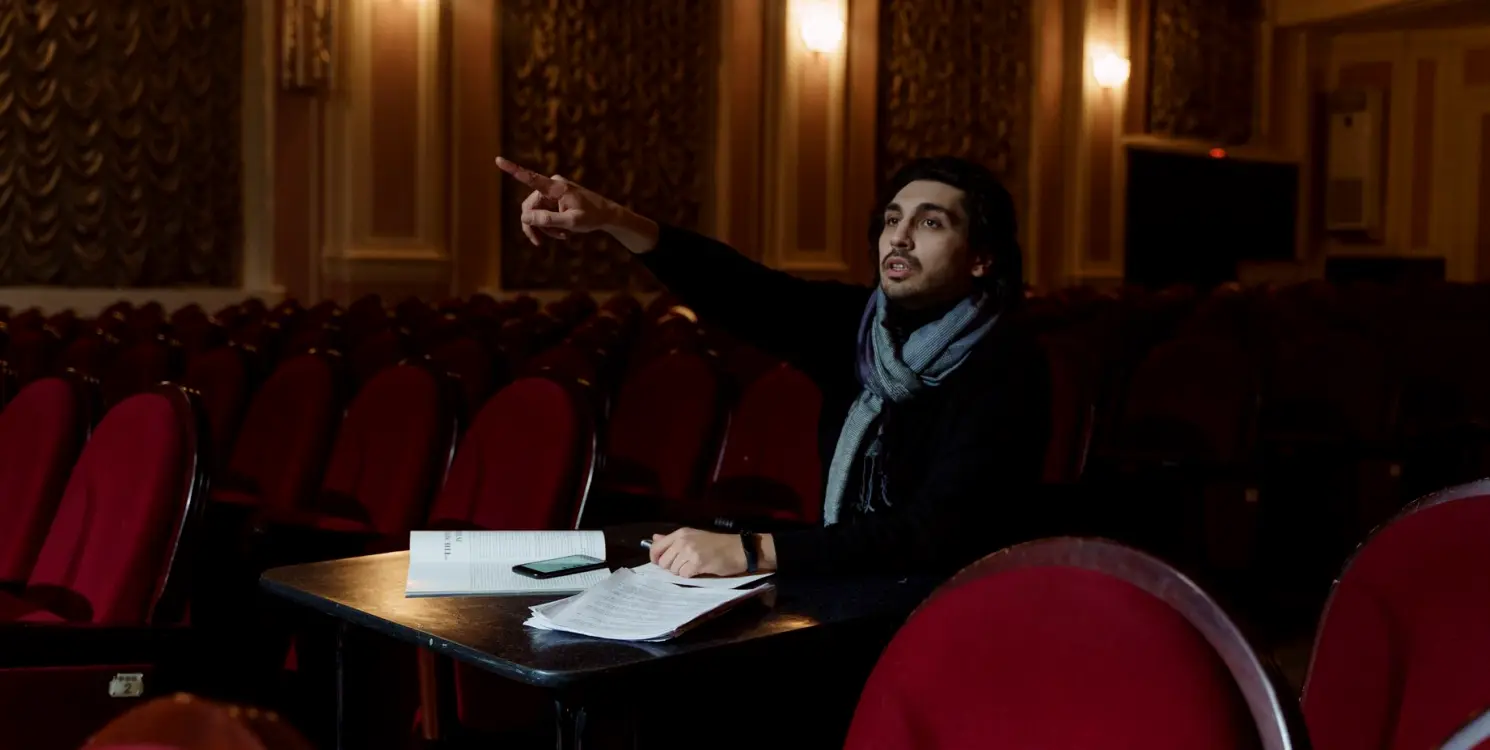
Inside a Live Rundown: How We Prepare a Programme to Run to Time
A look behind the scenes at how rundowns are built, rehearsed and supported on the day, from the first draft in the gallery to the last minute before going on air.
Starting from the clock, not the content
Every rundown we help with begins with the transmission slot, not with the stories. If a programme has a fixed length, we write the running time at the top of the page and work backwards, giving each item a duration that the presenter, the director and the technical crew all agree on. It sounds obvious, but a surprising number of teams build the list of items first and then discover that it adds up to eleven minutes more than the slot allows. I am an acoustics specialist, so I often sit in these planning sessions with a particular question in mind: where does the sound change? An interview in the studio, a pre-recorded package and a remote guest each need different handling. Marking those moments on the rundown early means the audio side is never learning about a change as it happens.
We keep the first draft deliberately plain: item name, planned duration, source, who is speaking and what the gallery has to do. No colour coding, no clever formatting. A rundown that anyone can read at a glance from the other side of the room is worth more than a beautiful one that needs explaining. Producers sometimes expect something elaborate from a consultancy, and are relieved when the working document turns out to be a single readable page that they can edit themselves.
- Fix the transmission length before listing any items
- Give every item a duration the whole crew has agreed
- Mark each change of audio source on the page
What a first rehearsal is really for
People assume a rehearsal exists to practise the show. In our experience it exists to find out where the plan is wrong. In the first run we expect to stop several times, and we treat that as a good sign. A camera move that needs three seconds more than anyone allowed, a guest microphone that has to be live before the presenter finishes the introduction, a graphic that arrives late because the source was not cued: these are the small mismatches that cost a live programme its timing. We ask the presenter to read at their normal pace rather than rushing through, because a rehearsal at the wrong speed produces timings that mean nothing on the night. The director calls the cues exactly as they will be called live, and the gallery answers in the same words. Familiar phrases matter when attention is stretched.
Between runs we make changes in small steps and say aloud what has changed. If a segment is shortened, the rundown is corrected at once and the new time is read out, so nobody is working from a stale copy. Priya's notes on the audio side stay short too: which microphones were opened late, which levels moved, where a guest sat too far from the capsule. Anything that needs a longer fix goes on a separate list, so the rehearsal keeps moving.
- Rehearse at the presenter's real speaking pace
- Call cues in the same words used on air
- Correct the rundown immediately after each change
Cue sheets and the quiet signals in the gallery
Alongside the rundown we prepare a short technical cue sheet for each person in the gallery. The vision mixer needs to know which source follows which, the sound operator needs the order of open microphones, and the person running graphics needs the exact words that trigger each caption. These sheets are written from the rundown but trimmed to what each role has to act on, so nobody is searching a long page for their own line. We also agree a few quiet signals in advance. A calm gallery is one where the director does not have to raise their voice to be heard, and where a stand-by is acknowledged with a single word. Intercom discipline is not glamorous work, but it is where a surprising amount of live timing is won or lost.
On the acoustic side I check that the talkback level reaches the floor without bleeding into any open microphone. A presenter who hears the gallery faintly in the room is a presenter who is distracted at the wrong moment. These checks take a few minutes before the first run and save a good deal of awkwardness later, particularly in rooms that were not designed for broadcast and carry sound in unexpected ways.
- One trimmed cue sheet per gallery role
- Agree stand-by and acknowledge words before the run
- Check talkback does not leak into open microphones
On the day: what technical support actually looks like
On the day of transmission our role is to be useful without being visible. We arrive well before the crew call, walk the studio and gallery, and confirm that everything that worked in rehearsal still works: sources, intercom, monitors, microphones and lights. Equipment that behaved on Tuesday can behave differently on Friday, usually because something was moved or unplugged overnight, and a calm walk-through catches most of it. Once the programme is close, we settle into the positions we agreed at rehearsal and keep our attention narrow. One person watches the clock against the rundown, another watches levels, another watches the picture. We do not offer opinions during the broadcast unless something is going wrong, and then we say it in as few words as we can.
If an item overruns, the producer decides what gives, and we make the decision easy by having an option ready. A standing list of items that can be trimmed or dropped, ranked in advance, means nobody invents a solution under pressure. Most overruns are small, and a prepared list turns a stressful moment into a routine adjustment that the audience never notices.
- Walk the studio and gallery well before crew call
- Split attention: clock, levels and picture each watched by someone
- Keep a ranked list of items that can be trimmed
The mid-autumn factors we plan around
These weeks bring their own small problems. Studios that have been quiet over the summer are switched back on, and dust, damp and cold cables show up quickly. We allow extra time to power up equipment gently and check connectors, because a fault that appears on the first cold morning is far cheaper to fix before a broadcast than during one. Autumn is also when programme schedules fill, with election-style specials, seasonal features and longer evening shows. Longer programmes put more weight on the rundown, because there are more handovers and more places for the timing to drift. We tend to add checkpoints, planned moments in the running order where the producer compares real time with planned time and decides whether to adjust.
Rooms behave differently in colder, drier air too, and a studio with the heating newly on can sound slightly different from the same room in summer. It is a small effect, but it is worth a quick level check before the first rehearsal. None of this is dramatic. It is the ordinary habit of treating every transmission as a new one, even when the studio and the crew are familiar.
- Allow extra power-up time for studios coming out of quiet spells
- Add timing checkpoints to longer evening programmes
- Run a quick level check when the room conditions change
Leaving the team able to do it themselves
The best result of this work is a team that no longer needs us for the routine parts. At the end of an engagement we hand over the rundown template, the cue sheet layouts and a short written note of what we learned about the studio: where the timing tends to slip, which sources are fussy, how the room sounds with and without guests. It is written in plain language for whoever picks it up next month. We would rather a producer feel capable than dependent. If a team can rehearse, cue and recover from an overrun on their own, the programme is stronger for it, and when they do call us it is for something that genuinely needs outside experience, such as a new studio layout or a more complex show.
I find this the most satisfying part of the job. A live programme that runs to time looks effortless, and the effort behind it is mostly preparation, repetition and clear speaking. None of it needs unusual equipment or heroic skill. It needs a plan that everyone has read, a rehearsal that is allowed to find mistakes, and a crew that trusts the person calling the cues.
Running a live programme to time is rarely about a single clever trick. It comes from a plain rundown, a rehearsal that is allowed to expose weaknesses, short cue sheets, steady intercom habits and a calm, narrow focus on the day. If you want your team to feel more settled before going on air, the workflow support we offer follows exactly this pattern, adapted to your studio, your crew and your schedule.
Keep reading
Camera Crews and Shot Plans for the Darker Months
As the evenings draw in, studio schedules fill up. Priya Sandhu sets out how to plan camera positions, crew rotas and shot lists so autumn and winter broadcasts stay steady.
Camera crews and shot planning now available for live bulletins and panels
Our camera operation and direction service gives news bulletins, interviews and multi-camera live shows an experienced crew and a shot plan agreed before the first rehearsal.
Priya Sandhu
Acoustics SpecialistPriya measures and treats rooms so presenters and guests are heard clearly on air.
Get in touch
Email: hello@vogueza.org