
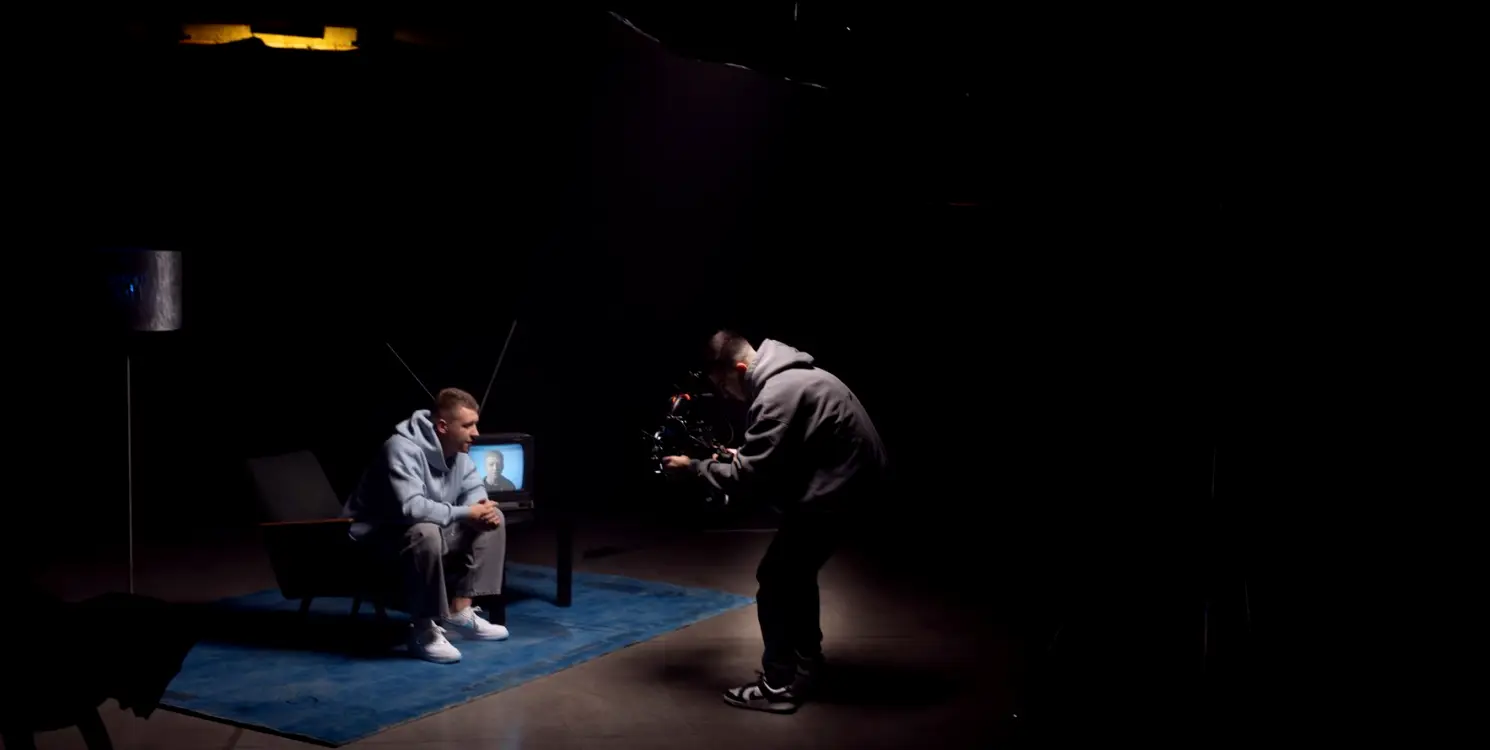
A Checklist to Work Through Before You Commit to a Lighting Plan
Before signing off a lighting design for a live studio, run through the room, the cameras, the talent and the rig itself. These are the questions we ask first.
Start with the room, not the fixtures
Most lighting decisions that go wrong were made before anyone measured the space. Before you look at a single fixture, walk the studio with a tape measure and a notebook. Note the ceiling height, because it limits how far lamps can sit from the presenter and how steeply they can be angled. Note whether there is a lighting grid, a pipe rig or nothing at all overhead, and what weight those fixings are rated to carry.
Look at the floor and walls too. A pale wall will bounce light back into a guest's face, while a dark curtain will swallow it. Check where daylight enters, since a window that looks harmless at ten in the morning can wash out a key light by early afternoon. In mid autumn the sun sits low, so a studio that behaved well in summer may behave differently now. Write all of this down before any plan is drawn.
- Ceiling height and the weight rating of every fixing point
- Position of windows, doors and any unblockable daylight
- Wall and floor colours that will reflect or absorb light
- Available power circuits and where they terminate
Know what the cameras will be asked to do
A lighting plan is written for the cameras, not for the eye. Find out which cameras you will use, how they behave in lower light, and what exposure the director intends to run. Two programmes in the same room can need quite different levels depending on lens, sensor and the depth of field the director wants behind the presenter.
Ask how many cameras will be live at once and where they sit. A single wide shot forgives uneven light that a close two-shot will expose. If a camera moves across the set, the light must hold steady from one end of the move to the other, which usually means more fixtures at lower output rather than a few strong ones. Settle the camera plan first and let the lighting follow it.
- Camera models and the exposure the director plans to run
- Number of live cameras and the widest and tightest framings
- Any moving shots that cross areas of different brightness
Check the key, fill and background separately
Treat the three layers as three decisions. The key light shapes the face and sets the main exposure, so check its height and angle against the seating position, and ask what happens when a guest leans forward or turns to the host. A key that works for a seated presenter can cast hard shadows under the eyes the moment someone stands.
The fill softens those shadows, and it should be gentle enough that the face still has shape. The background light separates people from the set, and it is where studios most often cut corners. Make sure the backdrop is lit evenly, with no hot patches that a wide camera will find. Ask to see each layer switched on alone before you judge the whole picture.
- Key position tested with the presenter seated and standing
- Fill level that softens shadows without flattening faces
- Background lit evenly across the full width of the widest shot
Ask about colour and consistency over a long show
LED fixtures vary more than their data sheets suggest. Ask what colour temperature you are working to, and whether every fixture in the rig is the same model and batch. Mixed units can look identical to the eye and still shift the skin tones on camera, and that shift is tiring to correct in the gallery every single time.
Think about duration as well. A bulletin lasts minutes, but a talk show or live panel can run for hours, and some fixtures drift as they warm up. Ask how the rig is balanced, whether it is checked with a meter and a camera chart, and how settings are recorded so the same look can be restored the next day. Consistency over a long broadcast is a design requirement, not a bonus.
- One agreed colour temperature across every fixture
- Fixtures of the same model, checked for drift when warm
- Settings written down so the look can be repeated
Be honest about rigging, power and safety
Rigging is the part that cannot be improvised. Ask who will hang the fixtures, how each one is secured, and whether the grid or stands have been checked for the loads you intend to place on them. Safety bonds, cable routing and clear access for maintenance should be part of the plan from the start, not added after the lamps are up.
Then look at power. LED fixtures draw far less than older lamps, but a full rig still needs sensible distribution, and a dimming or control system needs its own cabling. Confirm that the circuits can carry the load, that cables will not cross walkways, and that someone can reach every fixture without a scramble. A tidy rig is quicker to adjust and far safer to work under.
- Who rigs, how fixtures are secured and what loads are rated
- Cable routes kept clear of walkways and camera paths
- Safe access to every fixture for later adjustment
Rehearse under the real conditions
A plan on paper tells you little until people sit under it. Ask for a rehearsal with the actual presenter, a guest with a different complexion, and the cameras set as they will be on air. Walk through the rundown, including moments when people stand, move between positions or hold up props, and watch the monitors rather than the room.
Agree in advance who signs off the look and what would send it back for changes. Ask how long adjustments take on the day, and whether anyone will be present when the first live programme goes out. If a supplier cannot answer these plainly, that tells you something before any money is committed.
A lighting plan is easier to judge when you ask the right things in the right order: the room, the cameras, the three layers of light, colour consistency, rigging and finally a proper rehearsal. None of these questions needs technical training, only patience and a willingness to see the studio as the camera does. If most of them have clear answers, you are probably in good hands. If several do not, it is better to find out now.
Keep reading

What Live Production Workflow Support Costs and What Moves the Price
A plain account of how rundown planning, rehearsal and on-the-day support are priced, which parts of a programme push the figure up, and what to have ready before asking for a quotation.
Camera Crews and Shot Plans for the Darker Months
As the evenings draw in, studio schedules fill up. Priya Sandhu sets out how to plan camera positions, crew rotas and shot lists so autumn and winter broadcasts stay steady.
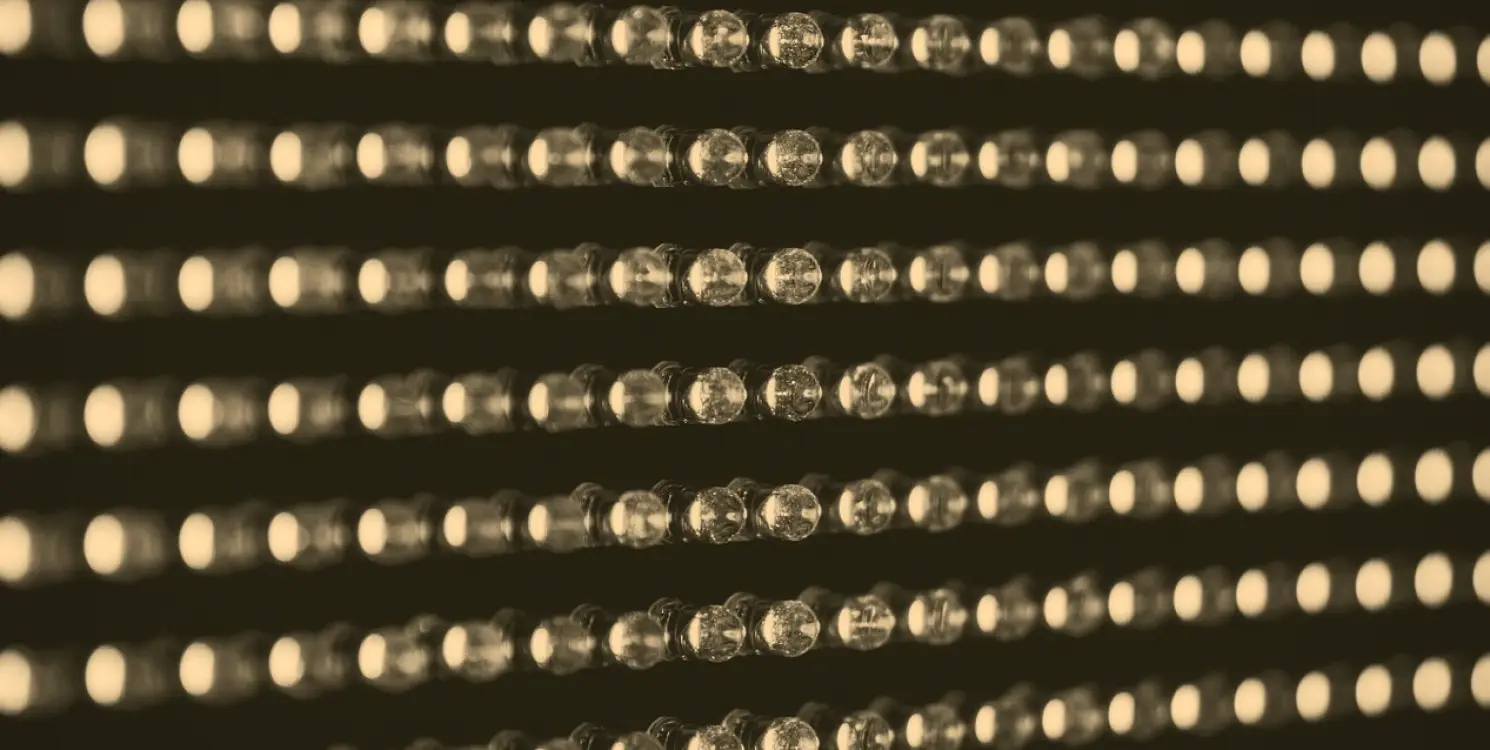
The lighting tools and methods we rely on when rigging a news studio
A look at the fixtures, measuring tools and rigging habits behind our lighting plans, and why each one earns its place when a studio has to look the same from the first bulletin to the last.
Daniel Pryce
Lead Camera DirectorDaniel plans shots and directs camera crews for interviews and live panel shows.
Get in touch
Email: hello@vogueza.org